
Inside GRAM’s New Groninger Syringe & Cartridge Filling Line: What Modern Fill-Finish Technology Means for Biologic Drug Manufacturers
As biologic therapies continue to reshape pharmaceutical development, the demands placed on sterile fill-finish manufacturing have never been higher. Pharmaceutical companies today require more than production capacity; they need precision, flexibility, regulatory confidence, and partners capable of supporting commercial success. That is why Grand River Aseptic Manufacturing (GRAM) invested in our newest syringe and cartridge filling line: a state-of-the-art groninger 10-head UFVN filling system integrated with SKAN isolator technology. Designed specifically for medium- to high-volume production of prefilled syringes and cartridges, the line represents a significant advancement in aseptic manufacturing capabilities while supporting the industry’s movement toward patient-centric drug delivery systems.
The pharmaceutical market has steadily shifted toward ready-to-use delivery systems for several important reasons:
- Improved patient convenience
- Reduced dosing errors
- Faster administration
- Compatibility with autoinjectors and on-body delivery devices
As these therapies become more common, manufacturers require filling technology capable of maintaining extremely tight process controls while operating at commercial scale. GRAM selected the groninger UFVN platform because it combines high throughput with exceptional process control. Rather than simply filling containers quickly, every component of the system is engineered to protect product quality, maintain sterility, and minimize variability throughout production. Key capabilities include:
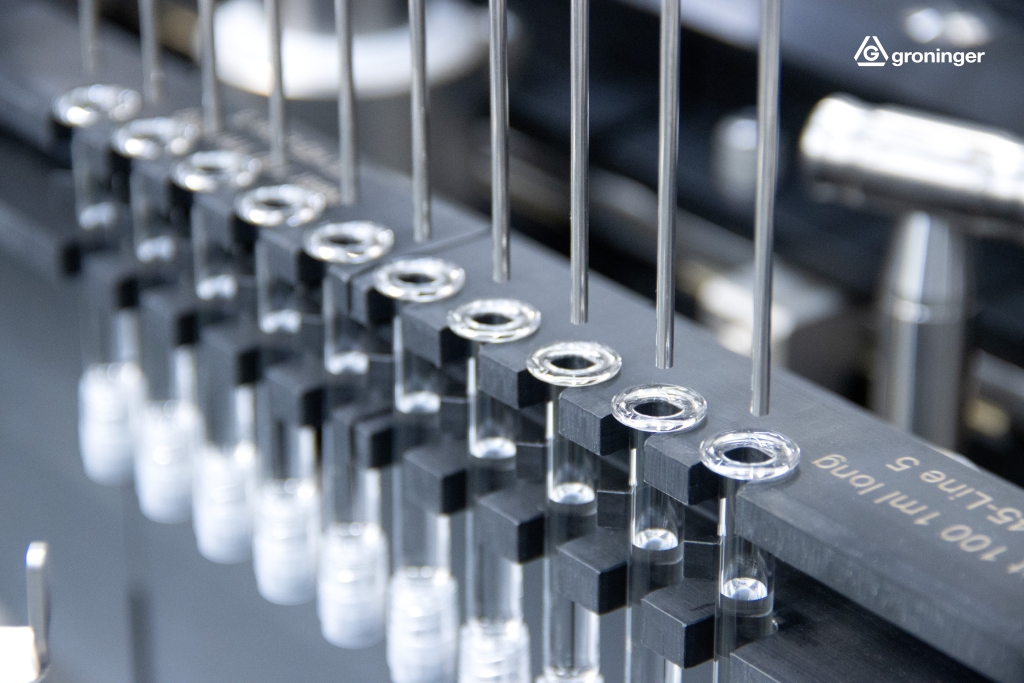
Photo 1 taken during GRAM’s FAT courtesy of groninger
10-head filling system
The line utilizes ten filling heads capable of operating with either:
- Peristaltic pumps
- Rotary piston pumps
This flexibility allows the equipment to accommodate products with varying viscosities while optimizing fill accuracy across multiple formulations.
Broad container compatibility
The line supports:
Prefilled syringes
- 1 mL
- 2.25 mL
- 3 mL
- 5 mL
- 10 mL
Cartridges
- 5 mL
- 10 mL
This versatility enables pharmaceutical companies to use a single manufacturing platform as products mature from launch through commercial growth.
Built Around Modern Annex 1 Expectations
One of the most important features of the groninger line is not speed; it’s contamination control. Recent revisions to EU GMP Annex 1 place greater emphasis on contamination prevention, automation, and the minimization of human intervention during sterile manufacturing. GRAM’s new line incorporates several design features specifically aligned with these expectations.
Linear denesting
Rather than unnecessary component handling, syringes move through the system via linear transport designed to preserve first-air principles. This minimizes disruption to unidirectional airflow and helps reduce the risk of contamination.
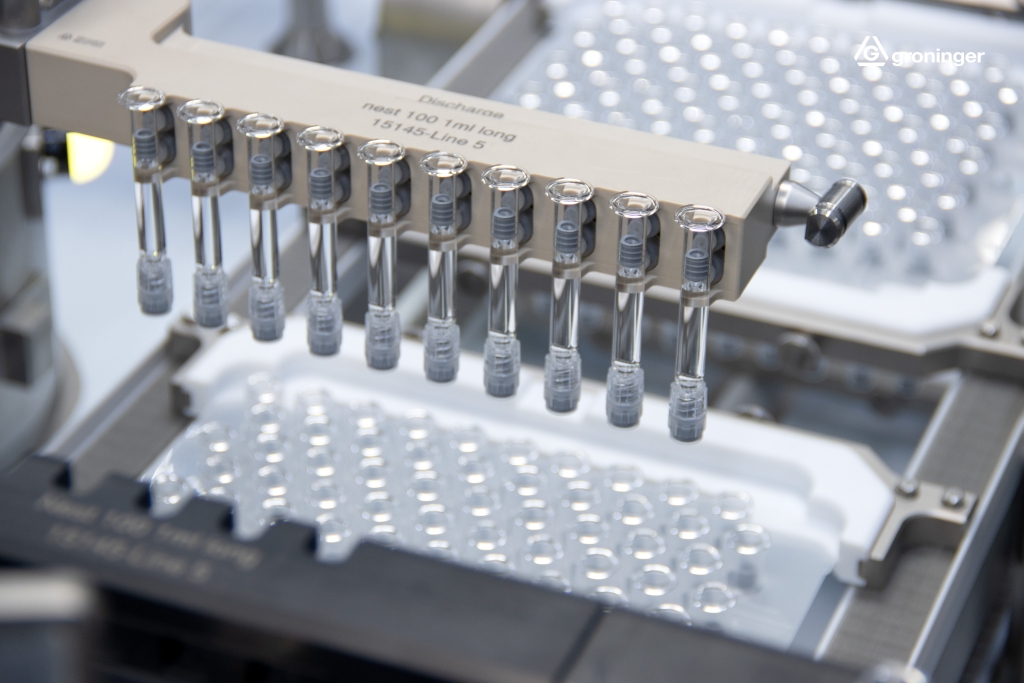
Photo 2 taken during GRAM’s FAT courtesy of groninger
SKAN isolator technology
Instead of relying solely on traditional cleanroom practices, the filling process occurs inside a Grade A isolator.
Benefits include:
- Reduced operator intervention
- Improved sterility assurance
- Consistent environmental control
- Enhanced regulatory confidence
Together, the isolator and automated filling process provide an additional layer of protection for sensitive biologic products.
100% In-Process Control
Quality isn’t something inspected only at the end of production. Throughout filling, the groninger system performs continuous automated verification of critical process parameters.
Every unit undergoes inspection for:
- Fill weight
- Stopper placement
- Needle shield verification
Automated reject handling removes any non-conforming units before they continue downstream. By identifying issues immediately rather than after production, manufacturers reduce waste while maintaining high-quality standards.
Supporting Commercial Scale
Capacity matters. GRAM’s new syringe and cartridge filling center was built to support increasing demand for commercial biologics. The groninger line is designed to produce approximately 50 million units annually, providing pharmaceutical companies with capacity for larger commercial launches while maintaining flexibility across multiple product types. The 150,000-square-foot facility also includes infrastructure for future expansion, with additional filling bays planned to support continued growth.
Why This Investment Matters
For pharmaceutical innovators, choosing a CDMO involves more than available capacity. GRAM’s investment combines modern aseptic processing technology with expanded production capabilities tailored to the growing biologics market. Whether supporting first commercial launches or expanding established therapies, the groninger platform positions GRAM to deliver consistent, high-quality sterile fill-finish services across a broad range of syringe and cartridge products.
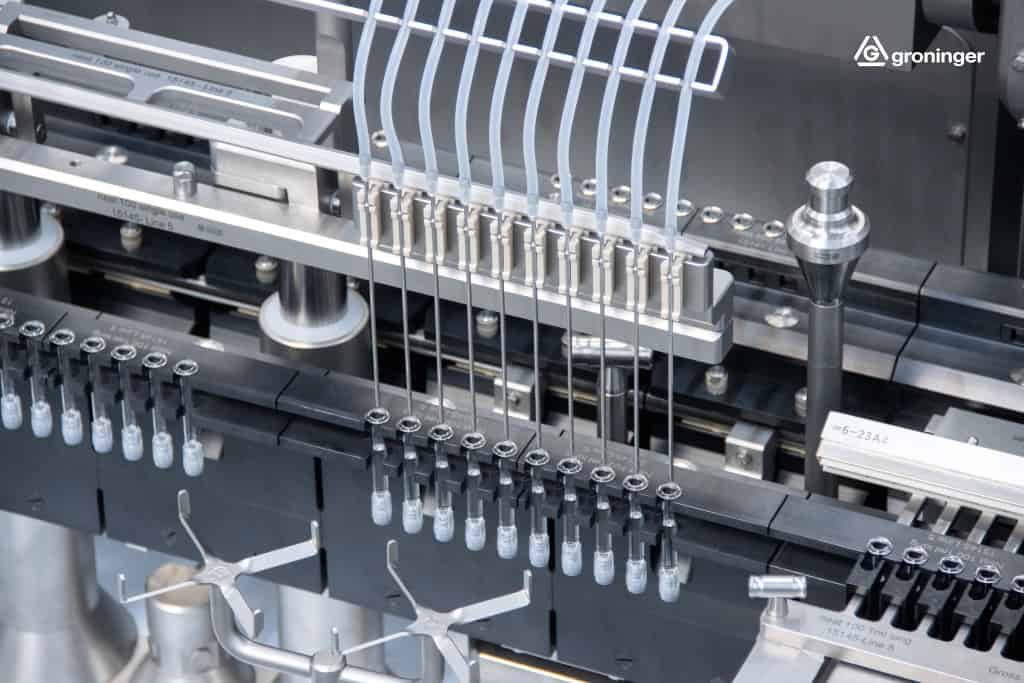
Photo 3 taken during GRAM’s FAT courtesy of groninger
Contributed by: Hailey Dieterle, Alliance Specialist